Crews show up on time, gear is loaded, and the schedule is tight—yet the first injury of the week happens before lunch. It wasn’t due to faulty equipment or lack of training. It was a breakdown in awareness. That’s where a well-structured toolbox talk becomes non-negotiable.
Toolbox talks are short, focused safety discussions held at the jobsite—usually 10 to 15 minutes—designed to reinforce safe behavior, highlight hazards, and promote a culture of accountability. When done right, they’re not just a compliance checkbox. They prevent incidents.
This guide outlines the most impactful toolbox talk topics, with real-world examples, common pitfalls, and actionable frameworks teams can use immediately. Whether you’re managing a construction crew, a maintenance team, or utility workers, these topics will keep safety top of mind.
Why Most Toolbox Talks Fail (And How to Fix Them)
Many teams run toolbox talks because they have to, not because they believe in them. The result? Repetitive, vague, or rushed conversations that don’t stick.
Common failures include: - Talking at the crew instead of engaging them - Reusing the same topic weekly without updates - Failing to tailor content to current site conditions - No follow-up or documentation
Effective toolbox talks do the opposite: - Involve crew input (e.g., “What near-misses did you see yesterday?”) - Relate directly to ongoing tasks (e.g., “We’re starting excavation—let’s talk trench safety”) - Document attendance and key points - Encourage questions and real discussion
“The best toolbox talk I’ve seen started with a photo of a damaged ladder from last week. The foreman didn’t lecture—he asked, ‘What would you have done differently?’ That sparked a 12-minute conversation no one tuned out.”
Make it relevant. Make it real. Make it a dialogue.
Core Toolbox Talk Topics for High-Risk Trades
These foundational topics apply across construction, maintenance, and industrial jobs. Use them regularly—rotating frequency based on active site conditions.
1. Fall Protection
Falls remain the leading cause of construction deaths. A toolbox talk here should cover: - Proper harness inspection and fitting - Anchor point requirements (OSHA 1926.502) - Working near edges or openings - Rescue planning (yes, it’s required)
Example: On a roofing job, start with, “Three of the lanyards inspected yesterday had frayed webbing. Let’s go over how to check yours before every use.” Show a damaged vs. good harness.
2. Hazard Communication (HazCom)

Workers must understand the chemicals they’re exposed to. Focus on: - Reading Safety Data Sheets (SDS) - Label interpretation (GHS pictograms) - Proper PPE for chemical handling
Mistake to avoid: Assuming everyone knows what a skull-and-crossbones symbol means. Ask someone to explain it—then clarify if needed.
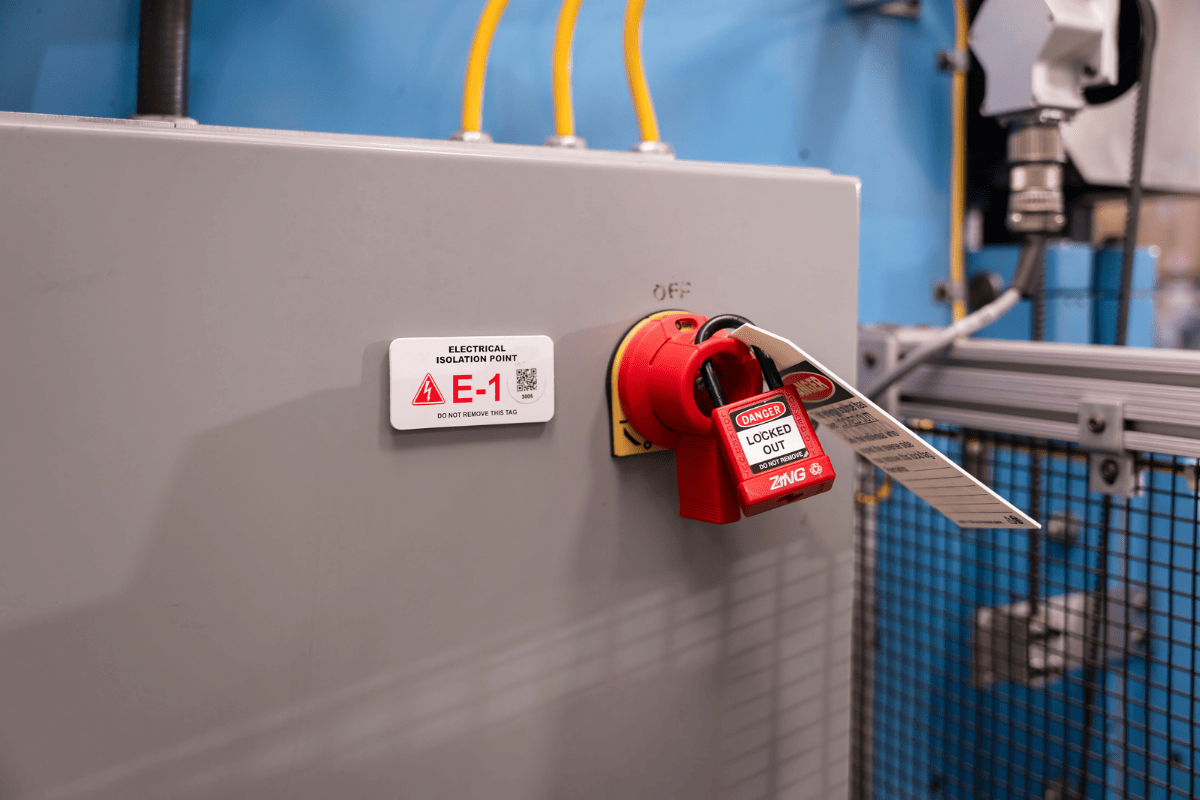
3. Lockout/Tagout (LOTO)
Energy control during maintenance is life-or-death. Use this talk before servicing machinery. Cover: - Isolation procedures - Authorized vs. affected employees - Testing for zero energy
Real case: A maintenance tech was injured when a conveyor restarted during servicing. The lock wasn’t applied. Use this to stress: “One missing lock = one potentially catastrophic outcome.”
4. Electrical Safety
From live work to damaged cords, electrical risks are everywhere. Discuss: - Minimum approach distances - GFCI use on all 120V outlets - Inspecting cords for cuts or exposed wires
Pro tip: Carry a spare damaged cord. Show it. Say, “This was used yesterday. Why is this unacceptable?” Let the team dissect it.
5. Excavation and Trenching
One cubic yard of soil weighs 3,000 pounds. A collapse can bury a worker in seconds. Key points: - Soil classification (Type A, B, C) - Protective systems: shoring, shielding, sloping - Spoil pile distance (minimum 2 feet from edge)
Interactive idea: Use site stakes to mark a real trench boundary. Have crew measure spoil pile distance—then correct it live.
Industry-Specific Toolbox Talk Topics Tailoring topics to your trade increases relevance and retention.
For Electrical Contractors - Arc flash boundaries - Working on energized equipment (only when justified) - Proper use of voltage-rated gloves and tools
For HVAC Technicians - Refrigerant handling and ventilation - Confined space entry in mechanical rooms - Ladder safety on slippery surfaces
For Landscaping Crews - Heat stress prevention (hydration, rest breaks) - PPE for chainsaw and trimmer use - Underground utility awareness before digging
For Facility Maintenance - Slip, trip, and fall hazards in occupied buildings - Noise exposure in boiler rooms - Reporting damaged equipment promptly
One maintenance supervisor runs weekly “Close Call Wednesdays”—where near-misses are discussed without blame. Attendance and engagement are up 70%.
How to Structure a High-Impact Toolbox Talk
A good format ensures consistency and clarity. Use this template:
- Topic & Objective (1 min)
- “Today: Preventing Hand Injuries. Goal: Ensure everyone knows pinch points on the scissor lift.”
- Hazard Overview (3 min)
- Explain the risk. Use real examples. “Last month, a worker lost part of a finger here.”
- Controls & Best Practices (4 min)
- Demonstrate correct behavior. Have someone model glove use or machine guarding.
- Q&A / Discussion (3 min)
- Ask: “Where have you seen this hazard before?” Listen more than you talk.

- Sign-Off (1 min)
- Record names, topic, date. Store digitally or in a binder for audits.
Bonus: Rotate lead speakers. Junior crew members leading a talk increases ownership.
Common Mistakes That Undermine Safety Talks
Even well-intentioned teams slip into bad habits.
| Mistake | Consequence | Fix |
|---|---|---|
| Same topic every Monday | Complacency | Rotate based on task risk |
| No site-specific link | Irrelevance | Tie to current work (e.g., “We’re welding today—fire watch”) |
| Skipping when behind schedule | Erodes culture | Protect the time—it prevents delays from incidents |
| Not documenting | Fails compliance | Use a checklist or app to log each session |
One project manager started ending talks with, “One safety tip you’ll use today.” Workers call it out during tasks—creating peer accountability.
5 Reliable Resources for Toolbox Talk Topics
Don’t build everything from scratch. Use trusted sources to save time and ensure accuracy.
- OSHA.gov
- Free publications and hazard alerts. Ideal for regulatory alignment. Best for: Fall protection, scaffolding, confined spaces
- NIOSH (National Institute for Occupational Safety and Health)
- Research-backed materials on emerging risks (e.g., silica, heat stress). Best for: Health hazards with long-term exposure
- ANSI/ASSP Standards
- Industry consensus guidelines (e.g., Z490 for safety training). Best for: Formalizing your safety program
- SafetyNow (safetynow.com)
- Subscription-based but offers ready-to-use toolbox talk PDFs. Best for: Teams needing plug-and-play content
- CPWR – The Center for Construction Research and Training
- Offers multilingual toolbox talks and data-driven topic suggestions. Best for: Diverse crews and evidence-based planning
Pro workflow: Download 4–6 talks per month, then customize them with site photos and crew input.
Making Toolbox Talks Actionable, Not Theoretical
Knowledge without application is useless. Build in real-world application.
Example: Ladder Safety Talk - Step 1: Show a photo of a ladder leaning at a bad angle - Step 2: Ask: “At what angle should this be set?” - Step 3: Use the “1:4 rule”—demonstrate on-site - Step 4: Have each worker check their ladder setup post-talk
Another idea: Turn talks into quick drills. After discussing fire extinguishers, do a 90-second “PASS” method refresher (Pull, Aim, Squeeze, Sweep).
Closing: Turn Safety Conversations Into Habits
Toolbox talks aren’t about ticking a box. They’re about shaping behavior—daily. The most effective ones feel urgent, personal, and practical.
Pick one high-risk task happening this week. Build a 10-minute talk around it. Involve the crew. Document it. Repeat.
Over time, these small conversations form a culture where safety isn’t enforced—it’s expected.
Start tomorrow. Not when you’re “caught up.” Not after the next incident. Now.
Use these topics. Adapt them. Own them. Make safety the easiest choice on the jobsite.
FAQ
What should you look for in Top Toolbox Talk Topics for Safer Worksite Communication? Focus on relevance, practical value, and how well the solution matches real user intent.
Is Top Toolbox Talk Topics for Safer Worksite Communication suitable for beginners? That depends on the workflow, but a clear step-by-step approach usually makes it easier to start.
How do you compare options around Top Toolbox Talk Topics for Safer Worksite Communication? Compare features, trust signals, limitations, pricing, and ease of implementation.
What mistakes should you avoid? Avoid generic choices, weak validation, and decisions based only on marketing claims.
What is the next best step? Shortlist the most relevant options, validate them quickly, and refine from real-world results.