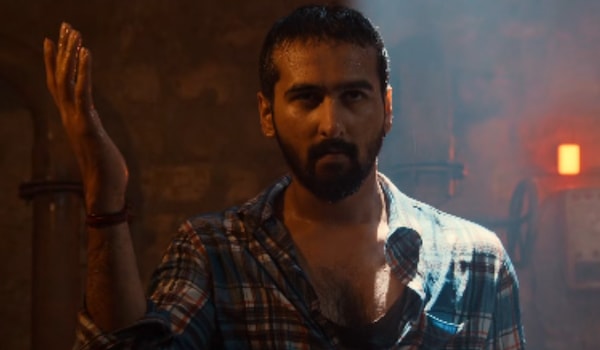
Dilraj’s name now echoes through the annals of Star Singer history with a new milestone: his 8th Golden Star win. This isn’t just another trophy—it’s a testament to consistent excellence, vocal mastery, and an emotional connection that transcends performance. And when actor-singer Shane Nigam, no stranger to musical nuance, called his rendition of "Tu Badi Masha Allah" a "divine experience," it wasn’t just praise—it was validation from someone who understands the weight of a truly moving song.
This moment didn’t happen in isolation. It’s the culmination of years, hundreds of performances, and an unwavering commitment to the craft. Let’s break down why Dilraj’s 8th Golden Star isn’t just a number, but a cultural moment in Malayalam music television.
The Weight of the 8th Golden Star
Winning a single Golden Star on Star Singer is a feat. The competition is fierce, the judges are exacting, and public sentiment can shift in seconds. To win eight times? That places Dilraj in a league of his own.
Each Golden Star is awarded for a performance that goes beyond technical precision—it must stir emotion, command attention, and demonstrate artistic maturity. Dilraj’s run has been marked by:
- Consistency under pressure
- Unlike contestants who peak early, Dilraj has evolved. From his first appearance as a promising voice to now, a seasoned performer, he’s adapted to every theme—classical, devotional, romantic, and contemporary.
- Genre versatility
- Whether it’s a high-octave playback number or a soulful padam, Dilraj navigates genres without losing his signature warmth. His command over raga bhava (emotional depth of a raga) sets him apart from peers who rely solely on vocal power.
- Connection with the audience
- Golden Stars are partly vote-driven. His ability to emotionally anchor his performances ensures sustained public support, a rare blend of artistry and relatability.
Winning eight means he’s outlasted trends, rival talents, and shifting audience tastes—something only legends do.
"Tu Badi Masha Allah": Why It Felt Divine
The performance that sealed his 8th Golden Star wasn’t just technically brilliant—it was spiritual. "Tu Badi Masha Allah", originally a Sufi-inspired devotional number popularized by singers like Wadali Brothers and later adapted into film music, demands humility, restraint, and a deep sense of surrender.
Dilraj’s version was stripped of excess. No dramatic embellishments. No vocal acrobatics for show. Instead:
- He opened with a soft, almost whispered alaap, drawing listeners into a meditative space.
- The taans (fast melodic runs) were precise but never flashy—placed only where they served the emotion.
- His modulation between octaves was seamless, particularly in the descent during "Allah teri mohabbat…", where he held a sustained meend (glide) that gave chills.
But technical breakdowns don’t explain why Shane Nigam, known for his reserved public commentary, called it “a divine experience.”
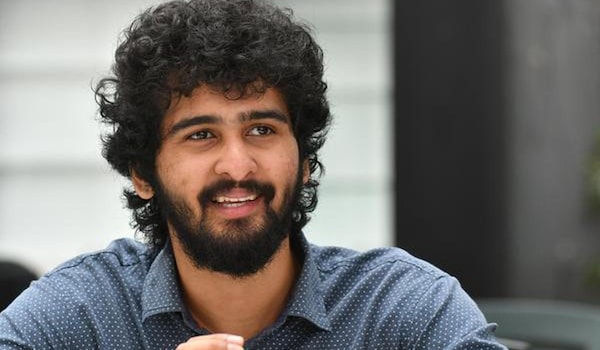
That label comes from how the song landed. Viewers reported feeling a sense of calm, even awe. Social media lit up with phrases like “forgot I was watching a competition” and “felt like prayer.” That’s the power of devotional music when delivered with sincerity—and that’s what made this Golden Star different.
Shane Nigam’s Reaction: More Than Just Praise
Shane Nigam isn’t just a celebrity guest. He’s a trained performer with a deep appreciation for music. His singing in films like Sufiyum Sujatayum proved he’s not just acting—he’s interpreting music with emotional intelligence.
So when he stood up after Dilraj’s performance and said, “That wasn’t singing. That was a spiritual offering. Tu Badi Masha Allah has never felt this real,” it carried weight.
What made his reaction significant?
- Credibility: He’s not a judge on the panel, so his praise isn’t part of a professional obligation.
- Emotional authenticity: His voice trembled slightly. He wasn’t reciting lines—he was reacting in real time.
- Cultural resonance: By acknowledging the divine aspect, he validated what many Malayali viewers felt but couldn’t articulate.
In reality TV, celebrity endorsements can feel staged. This didn’t. It elevated the moment from "great performance" to "cultural milestone."
How Dilraj Stands Out in the Star Singer Legacy
Star Singer has launched careers—Ranjith, Jyotsna, and Sid Sriram all emerged from its stage. But Dilraj’s journey is unique because he’s not just a contestant; he’s become a benchmark.
Compare him to past winners:
| Singer | Golden Stars | Signature Trait | Career Trajectory |
|---|---|---|---|
| Ranjith | 3 | Powerful high notes | Playback success |
| Jyotsna | 2 | Classical purity | Independent fusion |
| Sid Sriram | 1 | Carnatic fusion | International acclaim |
| Dilraj | 8 | Emotional depth + consistency | Icon in the making |
Dilraj’s dominance isn’t about out-singing others in one night. It’s about building a body of work so strong that each performance adds to his legacy. He’s not chasing viral moments—he’s building a reputation.
And unlike some singers who rely on producer-backed promotions, Dilraj’s rise is organic. No major film launches yet, no celebrity mentorship headlines. Just performance after performance.
Behind the Scenes: The Discipline Behind 8 Golden Stars
What does it take to consistently deliver at this level?
Insiders reveal aspects of Dilraj’s routine that explain his edge:
- Three-hour daily practice, split between voice training, breath control, and raga study.
- Weekly consultations with a veteran Carnatic musician for nuanced feedback.
- Performance journaling—he records every live run-through and reviews it the next day, noting mistakes in pitch, timing, or expression.
- Diet and vocal hygiene: Strict avoidance of cold foods, dairy, and late-night practice to protect his vocal cords.
But beyond routine, it’s mindset.
He reportedly told a fellow contestant: “The Golden Star isn’t the goal. The goal is to touch someone. If that happens, the star will follow.”
That humility, paired with relentless preparation, is why he keeps winning.
Why This Moment Matters Beyond the Show
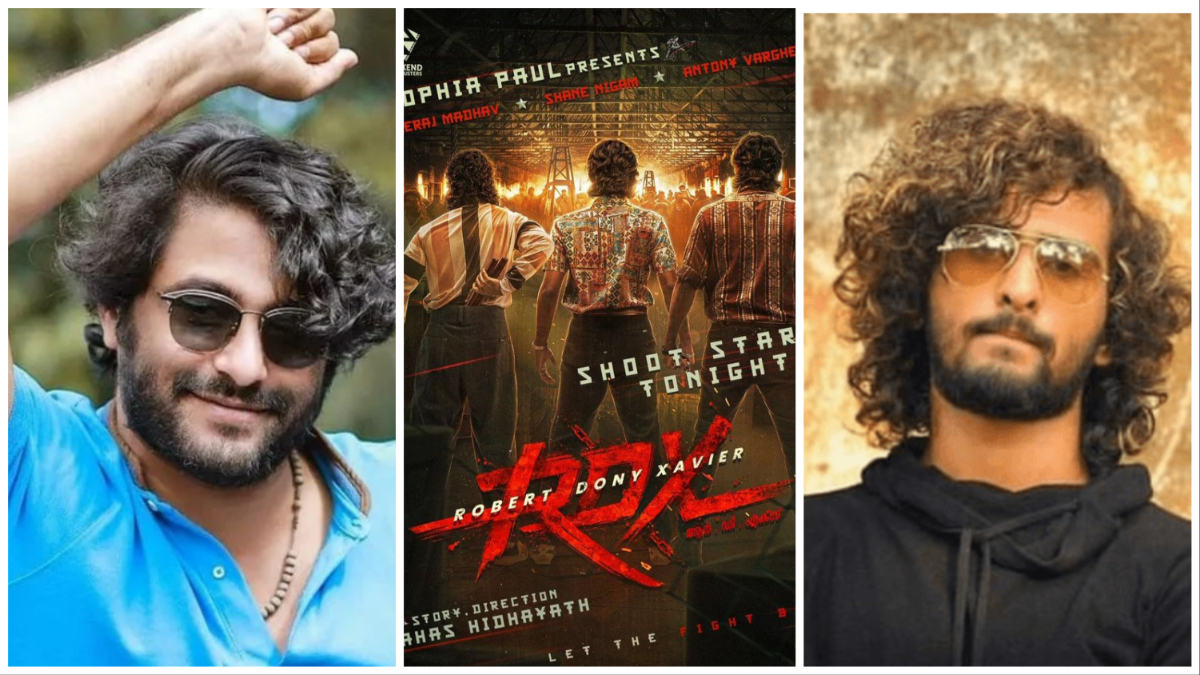
Reality TV can feel ephemeral—win today, forgotten tomorrow. But Dilraj’s 8th Golden Star, amplified by Shane Nigam’s reaction, signals a shift.
It proves that:
- Authenticity still wins. In an age of auto-tune and Instagram reels, a raw, unfiltered devotional performance can dominate.
- Audiences crave depth. They’re not just voting for talent—they’re voting for meaning.
- Music as worship is still powerful. In a fragmented cultural landscape, songs like "Tu Badi Masha Allah" remind us of music’s spiritual roots.
And for aspiring singers watching at home, this is a masterclass in longevity. Not every performance has to be explosive. Sometimes, the quietest moments resonate the loudest.
What’s Next for Dilraj?
With eight Golden Stars, the obvious question is: where does he go from here?
Options are opening:
- Playback singing offers are increasing, especially for soulful or devotional tracks.
- Independent music projects—a full-length devotional album is rumored.
- Live concerts across Kerala and the Gulf, where Star Singer has a massive following.
- Music mentorship—he’s already coaching younger contestants informally.
But the risk is burnout. Eight wins in a high-pressure environment take a toll. The real challenge now isn’t staying at the top—it’s knowing when to step back and let the legacy speak for itself.
Final Note: A Benchmark for Future Singers
Dilraj’s 8th Golden Star isn’t just a personal victory. It’s a signal to the industry: emotional intelligence in singing matters as much as range or power.
For fans, it’s a reminder that television can still deliver moments of genuine beauty.
For singers, it’s proof that consistency, humility, and deep musical grounding can outshine fleeting viral fame.
And for anyone who watched "Tu Badi Masha Allah" live—when the room fell silent, when Shane Nigam stood in reverence—there’s a simple truth:
Some performances don’t just win stars.
They become light.
FAQs
What is the significance of the Golden Star on Star Singer? The Golden Star is awarded to the best performer of the week, combining judge scores and audience votes. Winning multiple times is rare and signifies elite status.
How many Golden Stars has Dilraj won? Dilraj has won 8 Golden Stars, the most in the history of Star Singer.
Who is Shane Nigam and why does his opinion matter? Shane Nigam is a popular Malayalam actor and trained singer known for his musical roles. His praise carries weight due to his genuine connection to music.
What song did Dilraj perform to win his 8th Golden Star? He performed "Tu Badi Masha Allah", a devotional Sufi-inspired track, delivering a minimalistic, emotionally rich rendition.
Is Dilraj a professional playback singer? Not yet officially, but he’s receiving increasing offers. Most of his recognition comes from Star Singer and live performances.
What makes Dilraj’s singing style unique? His blend of Carnatic technique, emotional depth, and vocal restraint—especially in devotional numbers—sets him apart.
Will Dilraj continue on Star Singer after 8 wins? As of now, he remains an active contestant, though speculation about his future in the show is growing.
FAQ
What should you look for in Dilraj Wins 8th Golden Star, Shane Nigam Praises Performance? Focus on relevance, practical value, and how well the solution matches real user intent.
Is Dilraj Wins 8th Golden Star, Shane Nigam Praises Performance suitable for beginners? That depends on the workflow, but a clear step-by-step approach usually makes it easier to start.
How do you compare options around Dilraj Wins 8th Golden Star, Shane Nigam Praises Performance? Compare features, trust signals, limitations, pricing, and ease of implementation.
What mistakes should you avoid? Avoid generic choices, weak validation, and decisions based only on marketing claims.
What is the next best step? Shortlist the most relevant options, validate them quickly, and refine from real-world results.