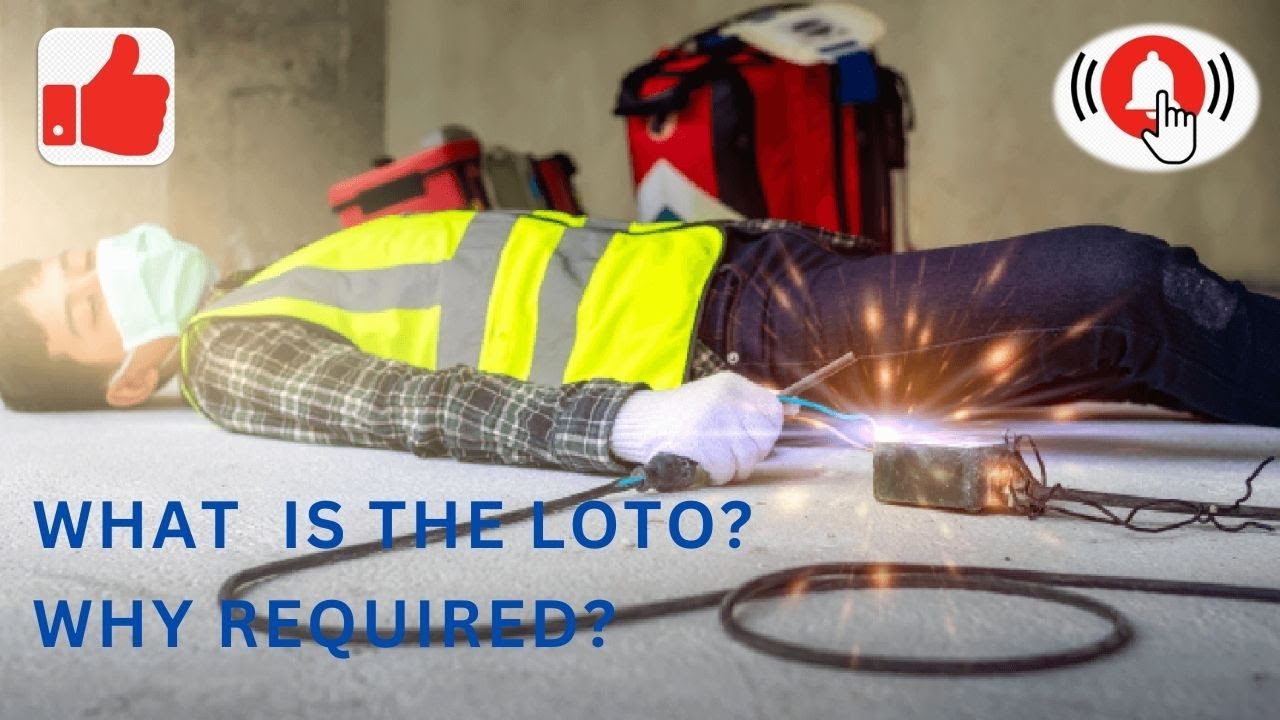
A maintenance technician reaches into a jammed conveyor belt. The machine isn’t running—so it’s safe, right? Wrong. An operator resets the system from a control panel nearby. The belt engages. The result: severe injury, emergency surgery, and a six-figure OSHA fine. This scenario isn’t hypothetical. It’s the kind of preventable disaster lockout and tagout (LOTO) procedures are designed to stop.
LOTO isn't just paperwork or a box to check. It’s a systematic, legally mandated process that isolates hazardous energy sources before equipment service. When done right, it saves lives. When ignored or misapplied, it puts workers at risk and companies in legal jeopardy.
This guide breaks down every critical element of an effective LOTO program—what it is, how to implement it, common pitfalls, and real-world applications across industries.
What Are Lockout and Tagout Procedures?
Lockout and tagout refers to the practice of de-energizing machines or equipment and preventing accidental or unauthorized re-energization during servicing or maintenance.
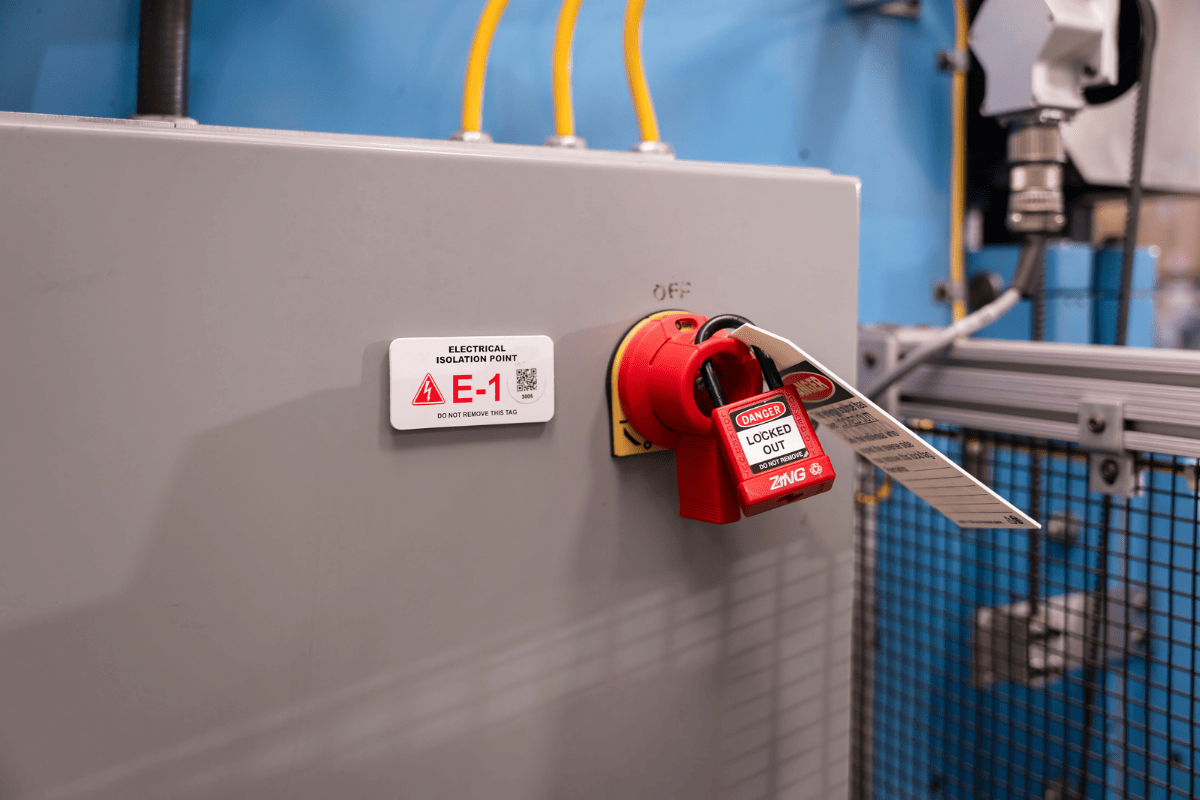
Lockout means placing a physical lock on an energy-isolating device—such as a circuit breaker, valve, or disconnect switch—so that the equipment cannot be turned on.
Tagout involves attaching a warning tag to the same device, detailing who locked it, why, and when reactivation is permitted.
Together, these steps form a critical safety protocol under OSHA’s Control of Hazardous Energy standard (29 CFR 1910.147). The goal is simple: eliminate the risk of unexpected startup or release of stored energy—mechanical, electrical, hydraulic, pneumatic, chemical, or thermal.
Key Components of LOTO
- Energy Isolation Devices: Physical mechanisms like valves, disconnects, or circuit breakers.
- Lockout Devices: Hasps, padlocks, valve locks, or plug locks that physically prevent activation.
- Tagout Devices: Durable, standardized tags with clear warnings and authorized personnel information.
- Authorized Employees: Trained individuals permitted to perform LOTO.
- Affected Employees: Workers who operate or use the equipment but don’t perform maintenance.
Without all these pieces, the system fails.
Why Lockout Tagout Procedures Matter
The stakes are high. According to the Bureau of Labor Statistics, hundreds of workers suffer injuries annually due to unexpected equipment activation. Some are fatal.
LOTO isn’t optional. It’s a legal requirement for any workplace where servicing machinery poses energy hazards. But compliance isn’t just about avoiding OSHA fines—it’s about building a culture where safety overrides speed.
Real-World Consequences of LOTO Failure
- Case Study: Paper Mill Incident (Georgia, 2023)
- A worker cleared a pulper machine without proper lockout. A colleague restored power remotely. The victim suffered crushed limbs. OSHA cited the facility for multiple LOTO violations, resulting in a $120,000 penalty.

- Manufacturing Plant (Ohio, 2022)
- An electrician bypassed lockout to “quickly” replace a motor. The machine cycled automatically. He suffered severe burns from an arc flash. Investigation found no written LOTO procedures.
These aren’t isolated events. They reflect systemic LOTO failures—lack of training, poor documentation, or pressure to minimize downtime.
Step-by-Step Lockout Tagout Process
A well-executed LOTO procedure follows seven clear steps. Skipping any increases risk.
1. Preparation Identify all energy sources (electrical, hydraulic, etc.) and the appropriate isolation points. Review equipment-specific LOTO procedures.
2. Notify Affected Personnel Inform all employees who use or operate the equipment that maintenance is scheduled.
3. Shut Down Equipment Use normal stopping procedures. Don’t assume a machine is off just because it’s idle.
4. Isolate Energy Sources Turn off and disconnect all energy inputs. This may include flipping breakers, closing valves, or blocking moving parts.
5. Apply Lockout/Tagout Devices Each authorized employee applies their own lock and tag. Group lockout boxes may be used for multiple workers.
Pro Tip: Use keyed-alike locks only when necessary. Personal locks with unique keys ensure accountability.
6. Release Stored Energy Bleed pressure, drain fluids, block gravity-fed components, or discharge capacitors. Verify zero-energy state.
7. Verify Isolation Attempt to restart the machine (using controls, not force). If it doesn’t start, the lockout is effective. Return controls to “off” position.
Only after these steps should work begin.
Common LOTO Mistakes and How to Avoid Them
Even experienced teams make critical errors. Here are the most frequent—and how to fix them.
❌ Using Tags Without Locks Tags are warnings, not physical barriers. OSHA allows tagout-only systems only if the device provides equivalent protection to lockout—which is rare.
Fix: Use lockout as the primary method. Tags support, never replace, locks.
❌ Group Lockout Without a Lead Worker Multiple technicians working on one machine must use a group lockout box. But without a designated lead authorized employee, confusion arises.
Fix: Appoint a lead who coordinates lock application and removal. Each worker places their lock on the hasp.
❌ Incomplete Energy Source Identification Overlooking a secondary power source—like a backup battery or pneumatic line—can be deadly.
Fix: Conduct energy audits. Use equipment schematics during procedure development.
❌ Skipping Verification Assuming the machine is off without testing creates false confidence.
Fix: Always perform a "try-out" after lockout. This is non-negotiable.
❌ Poor Lock Storage and Management Lost or shared locks compromise accountability.
Fix: Maintain a lock log. Use master key systems only under strict control.
Industry-Specific LOTO Applications
LOTO isn’t one-size-fits-all. Procedures must reflect equipment complexity and operational environment.
Manufacturing High-mix production lines with frequent changeovers require clear, visual LOTO workflows. Color-coded locks by department reduce errors.
Use Case: A robotic welding cell requires isolation of electrical feeds, air supply, and control network. Each energy source gets a dedicated lock.
Construction Mobile equipment—cranes, excavators, lifts—pose unique challenges. Stored hydraulic energy and gravity risks are common.
Use Case: Before servicing a boom lift’s hydraulic system, lock out the main power and mechanically secure the boom.
Utilities and Energy High-voltage environments demand additional PPE and electrical-specific lockout procedures aligned with NFPA 70E.
Use Case: A substation technician locks out a transformer disconnect, grounds the line, and verifies absence of voltage before inspection.
Food Processing Wet, corrosive environments require waterproof locks and tags. Frequent cleaning cycles increase reactivation risks.
Use Case: A meat grinder is locked out using a stainless-steel hasp and UV-resistant tag to withstand washdowns.
LOTO Equipment and Tools You Need
Reliable hardware is foundational. Here are five essential LOTO tools and their applications:
| Tool | Purpose | Best For |
|---|---|---|
| Padlocks | Personal lockout devices with unique keys | Individual accountability |
| Valve Lockouts | Secure open/closed positions of gas or fluid valves | Piping systems, chemical plants |
| Circuit Breaker Locks | Prevent breaker re-engagement | Electrical panels, control rooms |
| Group Lockout Hasps | Allow multiple locks on one isolation point | Team maintenance tasks |
| Tagout Tags | Communicate why equipment is locked | All environments, especially high-traffic areas |
Insight: Use durable, non-reusable tags. Laminated or metal tags resist weather, chemicals, and tampering.
Building a Compliant LOTO Program
A strong LOTO program isn’t just about procedures—it’s about systems, training, and culture.
Required Elements
- Written Procedures: Specific to each machine or energy system.
- Employee Training: Initial and annual refreshers for both authorized and affected workers.
- Periodic Inspections: Annual audits of LOTO practices, including witness testing.
- Program Updates: Revise procedures when equipment changes or incidents occur.
Training That Works
Classroom sessions aren’t enough. Effective training includes: - Hands-on lockout drills - Scenario-based problem solving - Shadowing experienced technicians
Inspectors should observe actual lockout performance—not just quiz recall.
Conclusion: Make LOTO a Non-Negotiable
Lockout and tagout procedures are among the most effective safety controls in industrial settings. But their success depends on consistency, clarity, and culture.
Don’t treat LOTO as a compliance chore. Treat it as a standard operating condition—like wearing a seatbelt. Every authorized worker applies their lock. Every tag tells a story. Every verification confirms safety.
Implement detailed, equipment-specific procedures. Train rigorously. Audit regularly. And never allow exceptions—even for “quick fixes.”
When the system works, no one gets hurt. When it fails, the cost is too high to ignore.
Start today: audit one high-risk machine, verify its LOTO procedure, and ensure every technician knows how to execute it flawlessly.
Frequently Asked Questions
What is the difference between lockout and tagout? Lockout uses a physical lock to prevent energy release, while tagout uses a warning tag. Lockout is preferred; tagout is allowed only if it provides equivalent protection.
Who is responsible for applying lockout devices? Only authorized employees—those trained and approved to perform servicing—can apply and remove lockout devices.
Can multiple people work on the same machine under LOTO? Yes, using a group lockout procedure where each worker applies their own lock to a shared hasp or lockbox.
How often should LOTO procedures be reviewed? Written procedures must be inspected annually, and whenever equipment or processes change.
What types of energy must be controlled under LOTO? Electrical, mechanical, hydraulic, pneumatic, chemical, thermal, and gravitational energy—all must be isolated.
Do LOTO procedures apply to corded portable tools? Yes. Unplugging a tool and locking the receptacle or using a plug lock is required during servicing.
Can electronic lockout systems be used? Yes, smart LOTO systems with digital verification exist, but they must meet OSHA’s performance requirements and include physical security.
FAQ
What should you look for in Lockout and Tagout Procedures: A Complete Safety Guide? Focus on relevance, practical value, and how well the solution matches real user intent.
Is Lockout and Tagout Procedures: A Complete Safety Guide suitable for beginners? That depends on the workflow, but a clear step-by-step approach usually makes it easier to start.
How do you compare options around Lockout and Tagout Procedures: A Complete Safety Guide? Compare features, trust signals, limitations, pricing, and ease of implementation.
What mistakes should you avoid? Avoid generic choices, weak validation, and decisions based only on marketing claims.
What is the next best step? Shortlist the most relevant options, validate them quickly, and refine from real-world results.